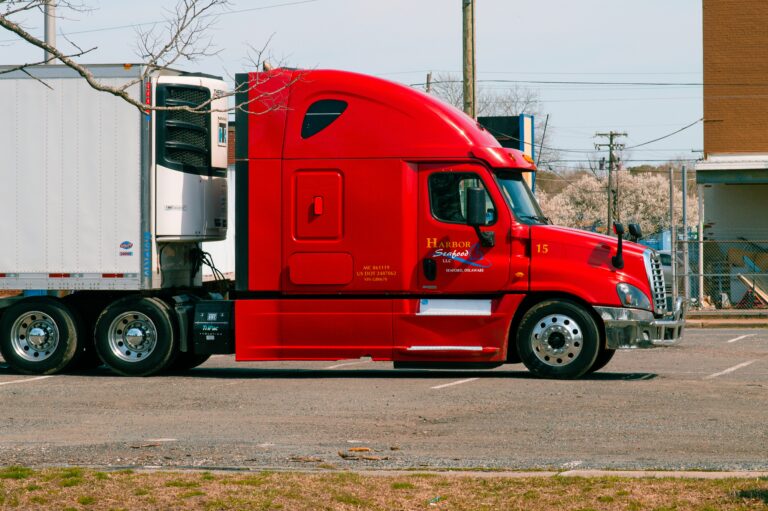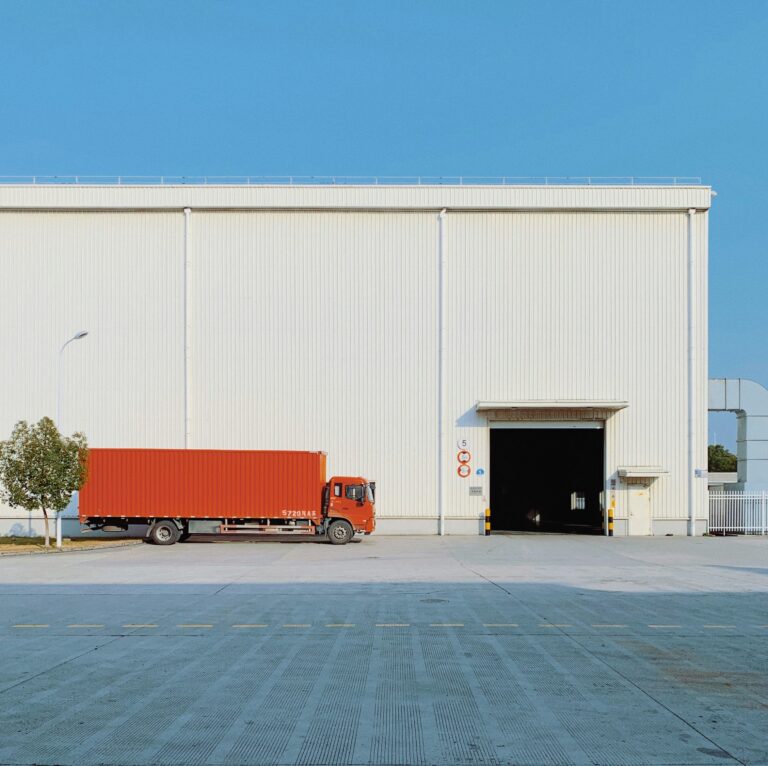
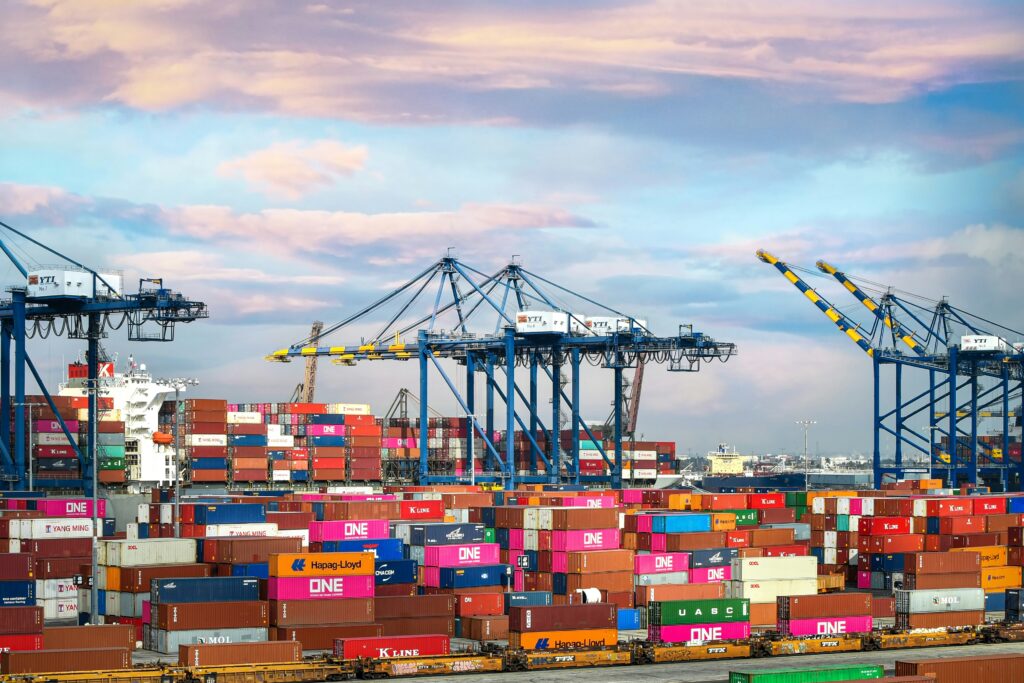
Cost optimization in freight transportation is a strategic approach focused on minimizing logistics expenses while maintaining efficiency, reliability, and service quality across the entire supply chain. It involves a detailed evaluation of every element that contributes to transportation costs, including carrier selection, fuel consumption, route planning, load utilization, transit times, and operational overheads. The primary objective is to ensure that every shipment is moved in the most economical way possible without compromising delivery performance or customer satisfaction.
A well-structured cost optimization process begins with intelligent planning and efficient freight matching, where shipments are assigned to the most suitable carriers based on cost-effectiveness, availability, and service capability. Through optimized routing and load consolidation, businesses can significantly reduce empty miles, avoid unnecessary detours, and improve vehicle utilization. This not only lowers fuel and labour costs but also enhances overall transportation efficiency and reduces environmental impact through more sustainable logistics practices.
Technology and data-driven decision-making play a major role in achieving effective cost optimization. Real-time tracking systems, analytics tools, and historical shipment data allow logistics providers to identify inefficiencies, forecast demand, and negotiate better carrier rates. These insights help in making informed decisions that balance cost, speed, and reliability, ensuring that every shipment is handled in the most efficient manner possible.
Additionally, strong carrier relationships and a well-established logistics network contribute significantly to reducing freight costs. By leveraging long-term partnerships, logistics companies can secure competitive pricing, prioritize capacity during peak seasons, and maintain consistent service levels. This network advantage allows for greater flexibility in operations and reduces dependency on high-cost, last-minute shipping solutions.
Ultimately, cost optimization in freight transportation is not just about reducing expenses—it is about creating a smarter, more resilient logistics system. It enhances operational efficiency, improves profitability, strengthens supply chain performance, and ensures that businesses can scale effectively while maintaining control over transportation costs and service quality.